Erin Mae McCarty Collette
CRASH
April 11–May 24, 2026
Crash
By Erin Mae McCarty Collette
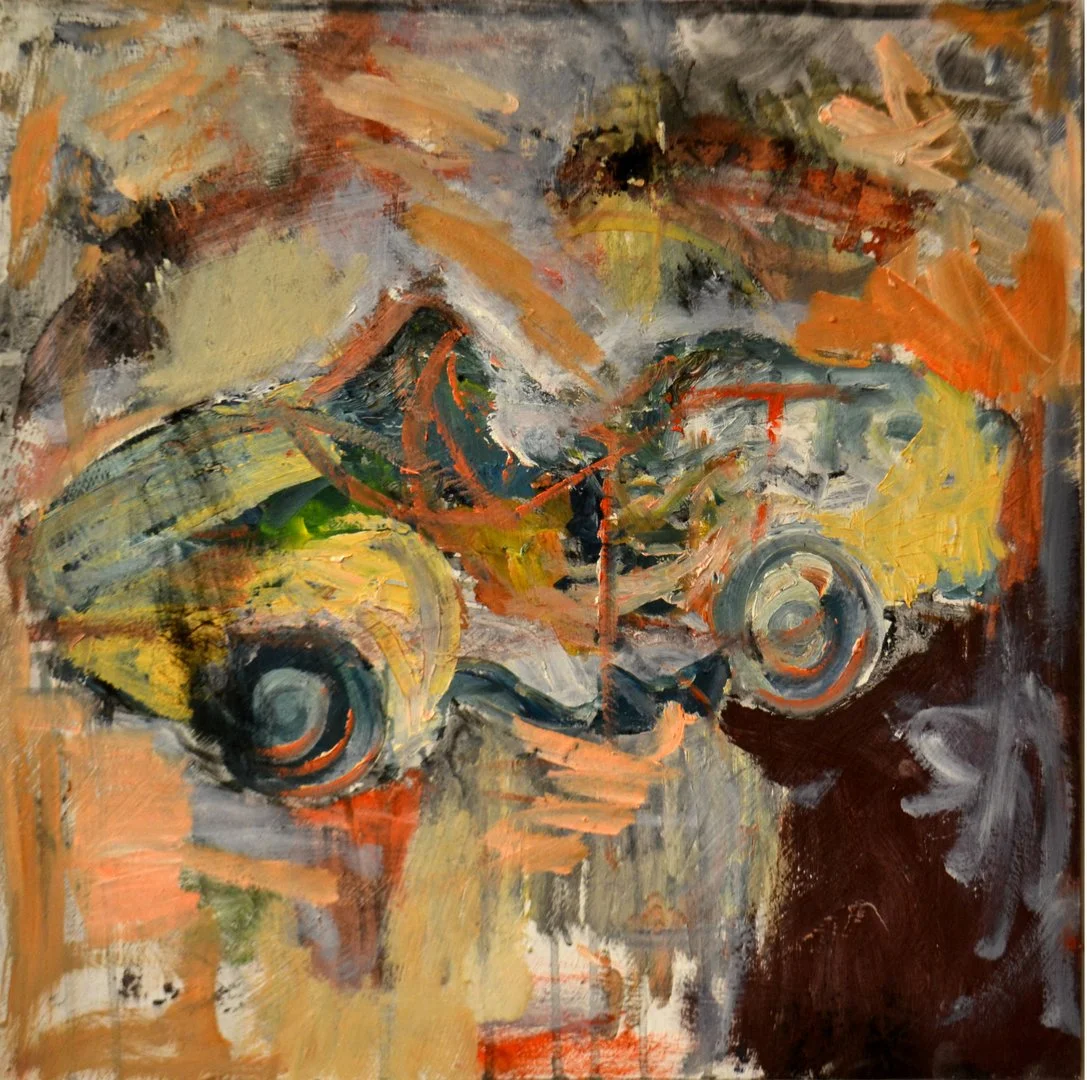
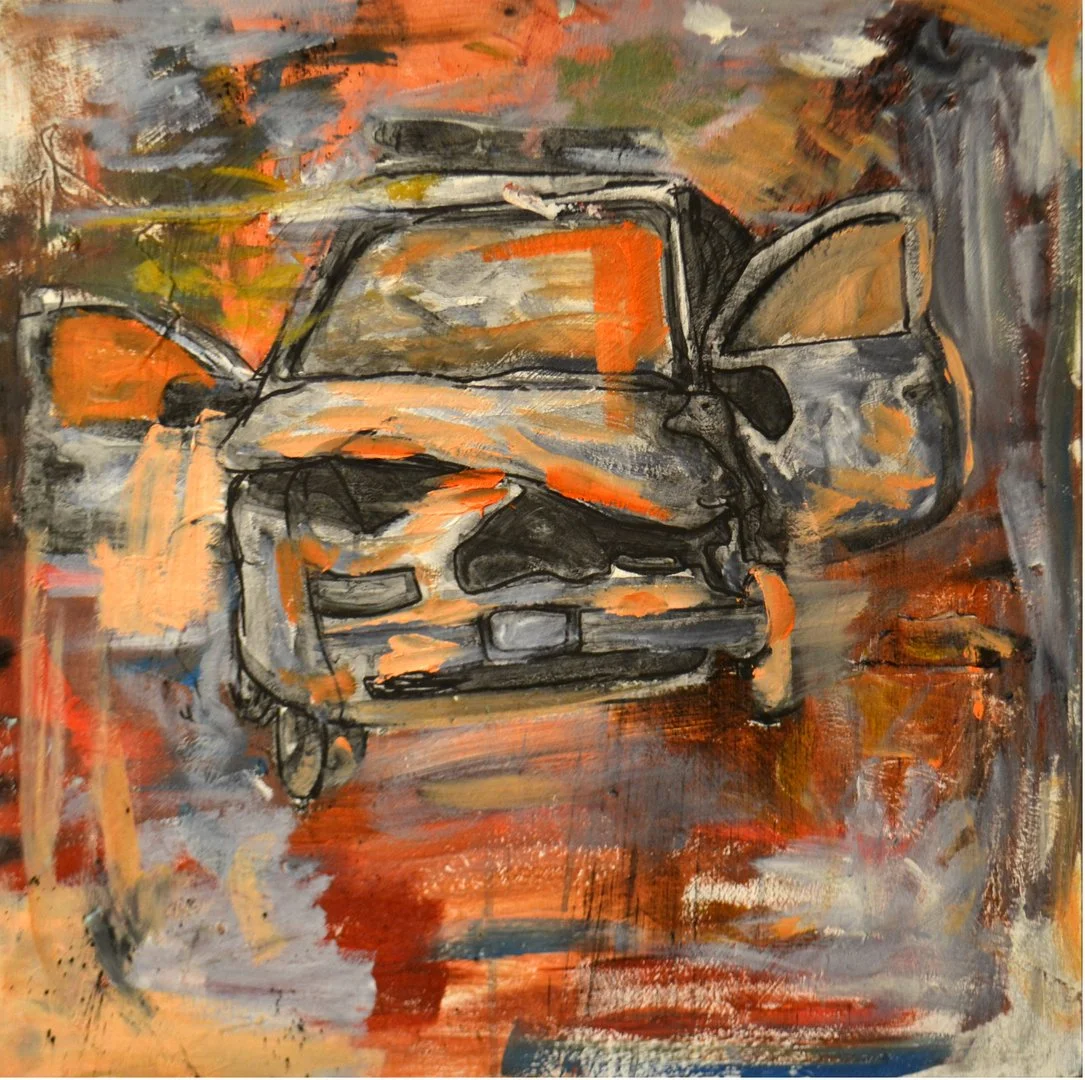
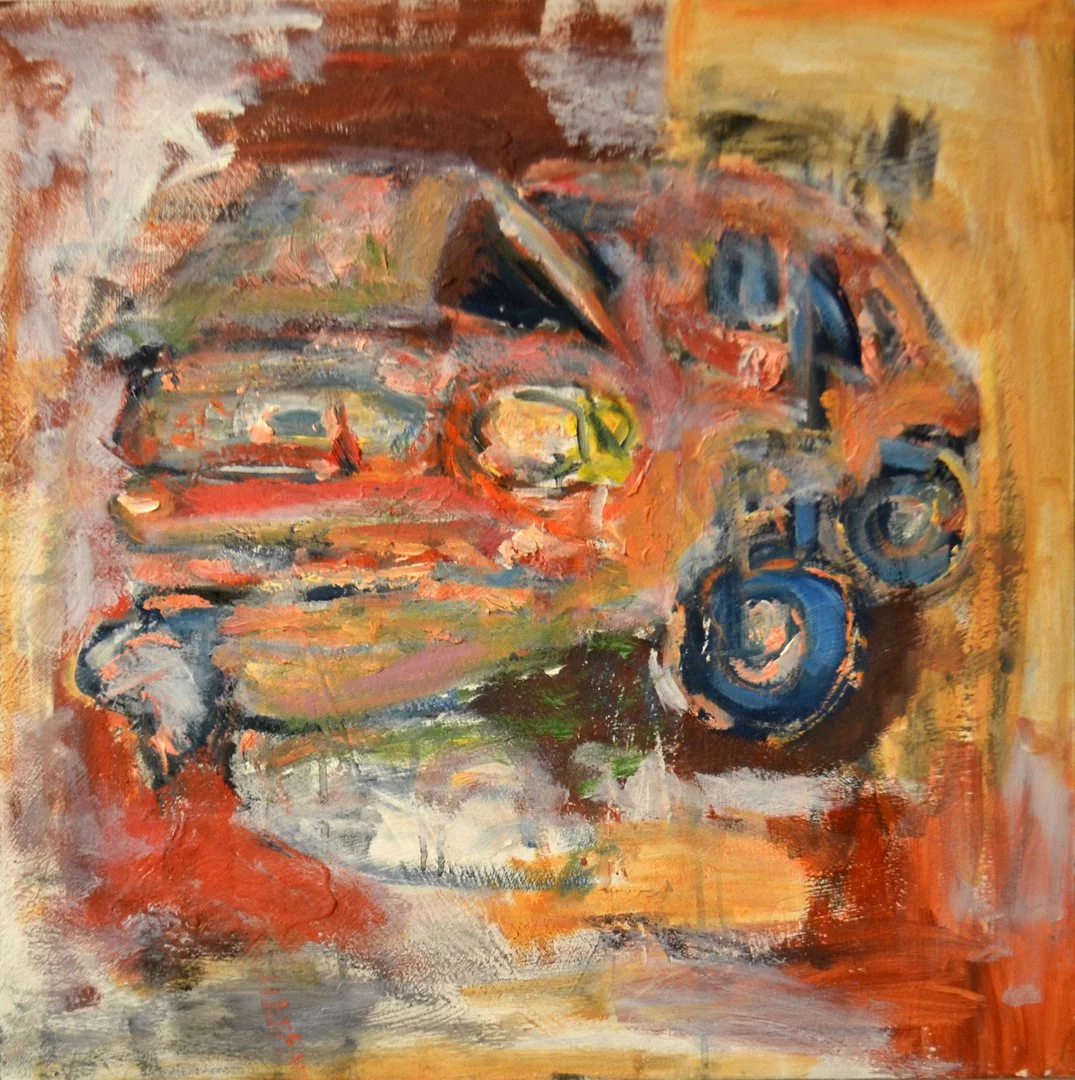
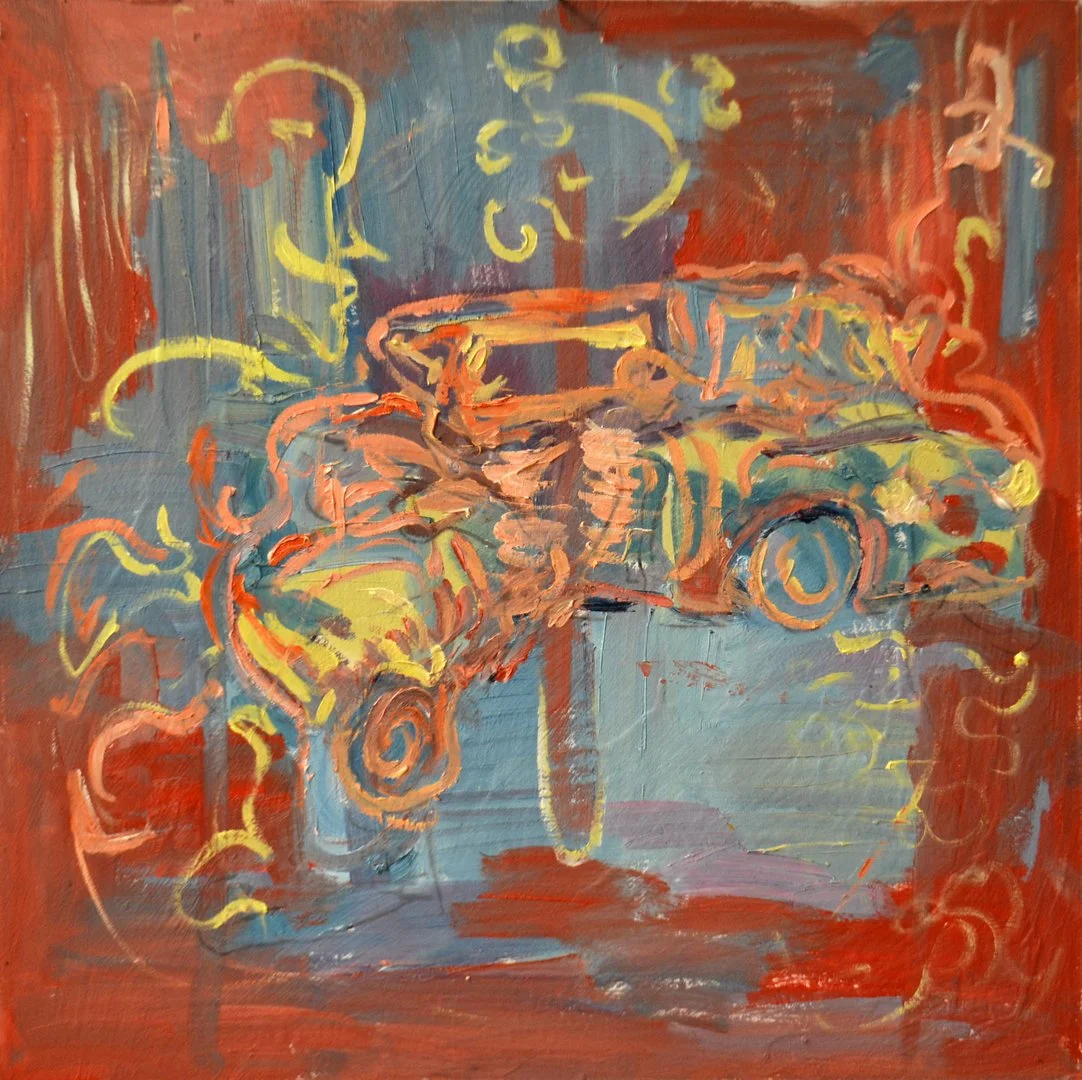
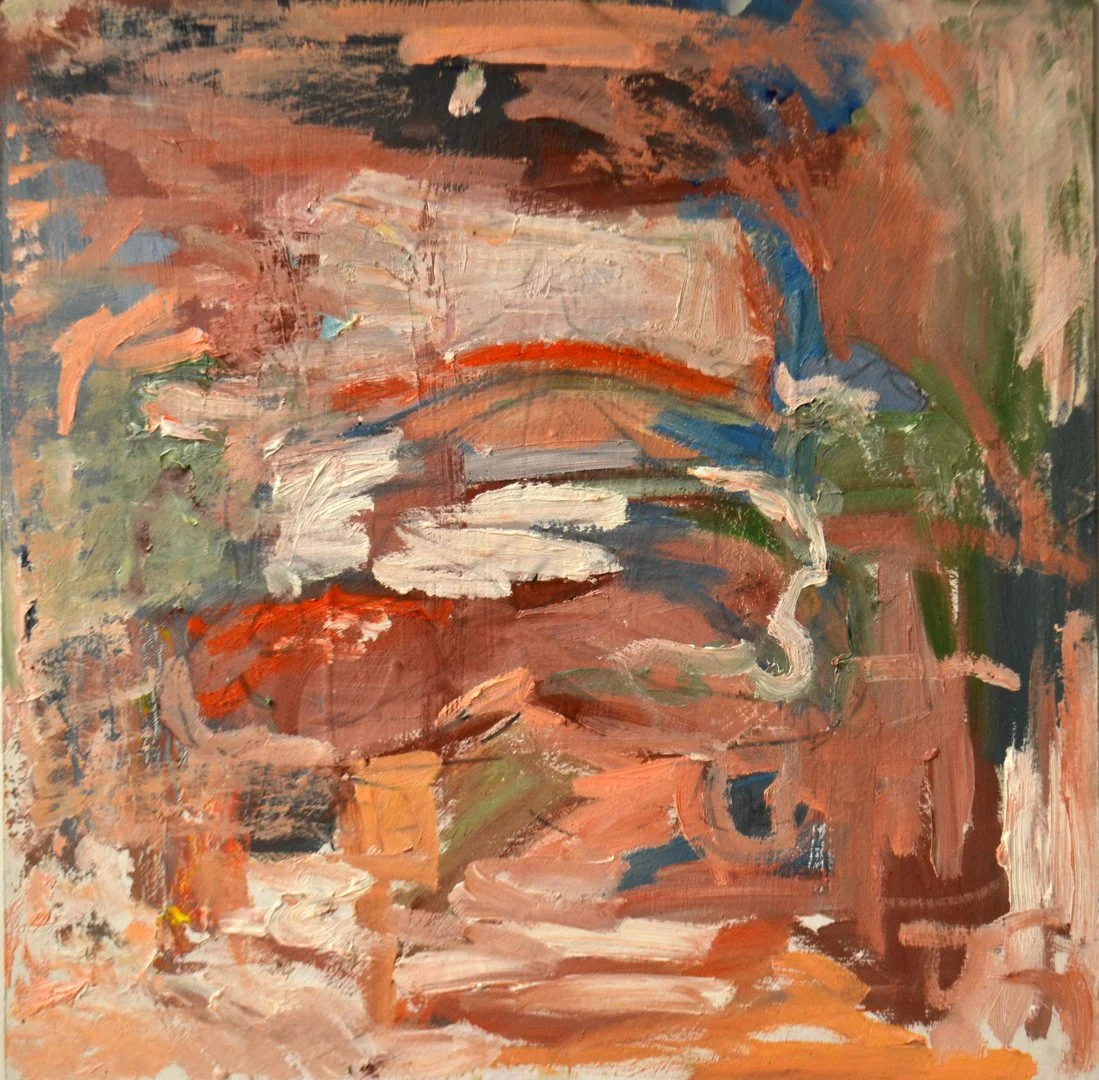
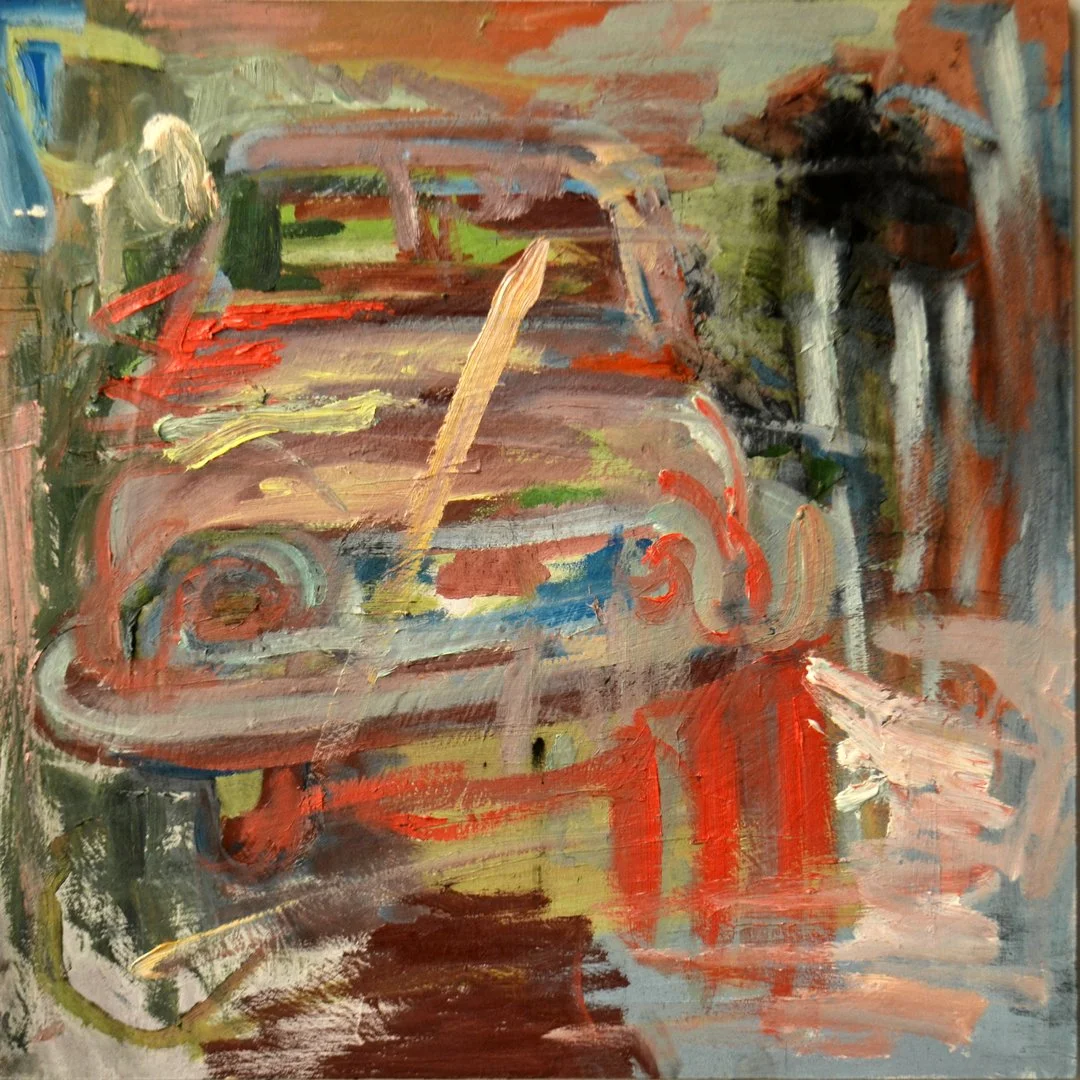
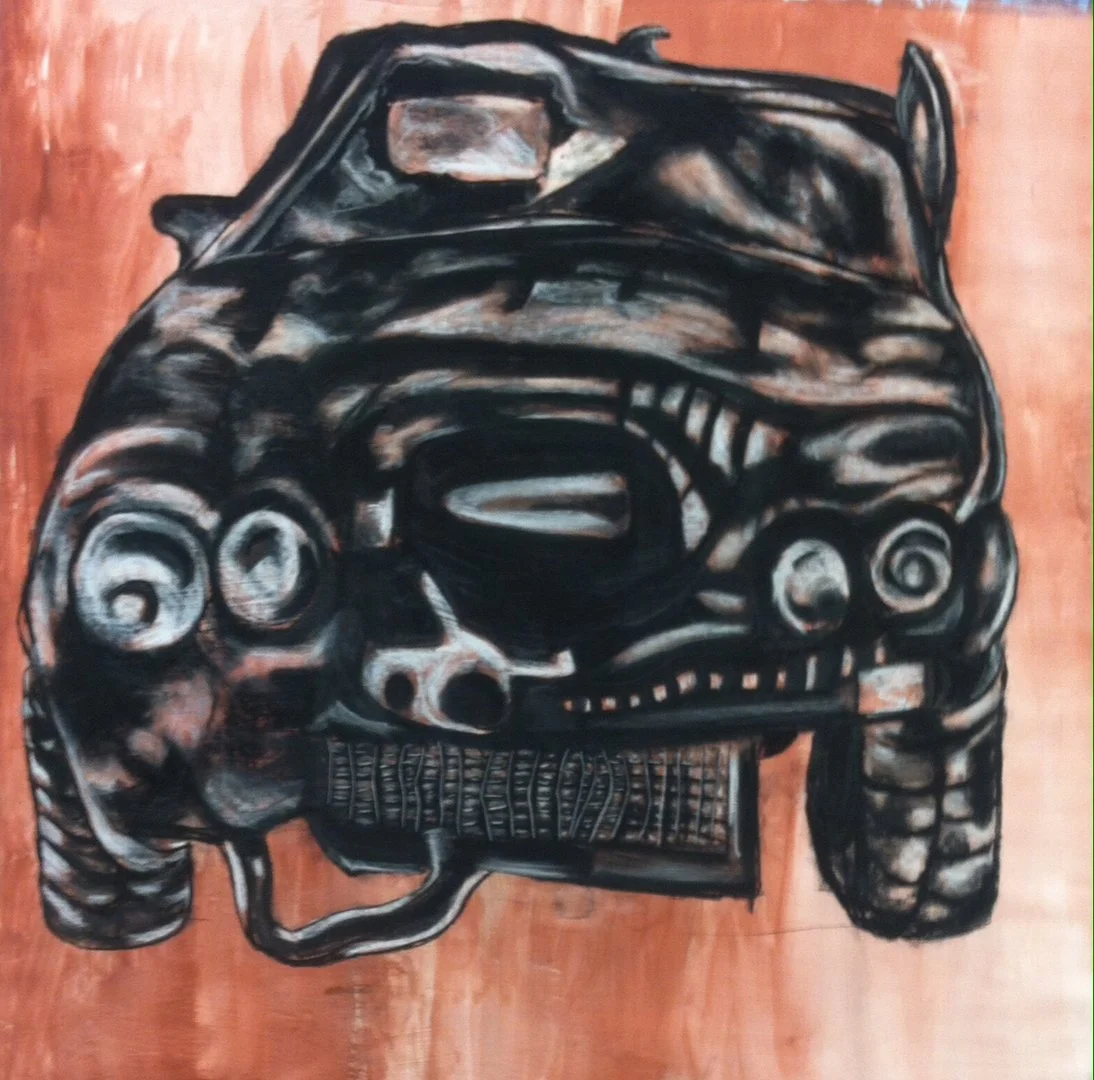
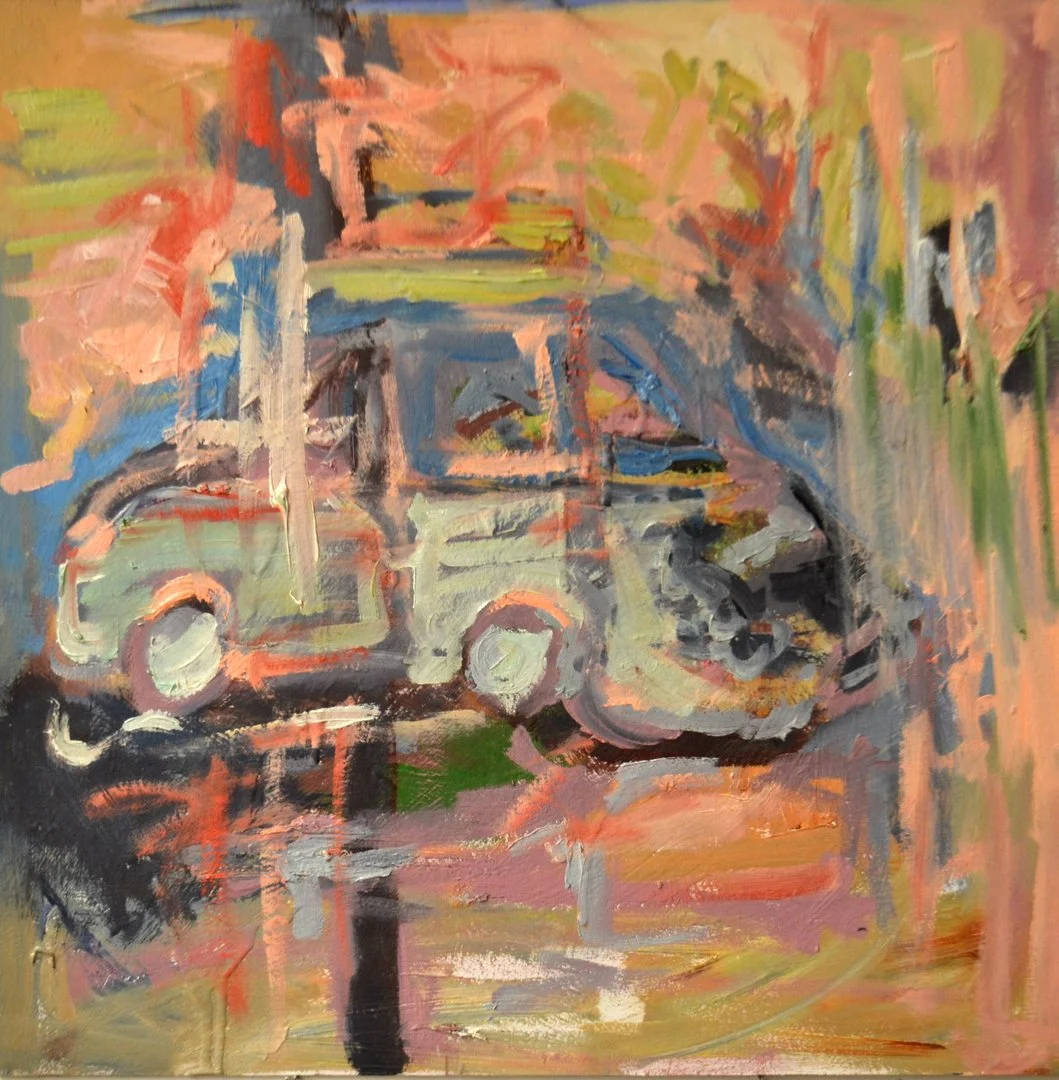
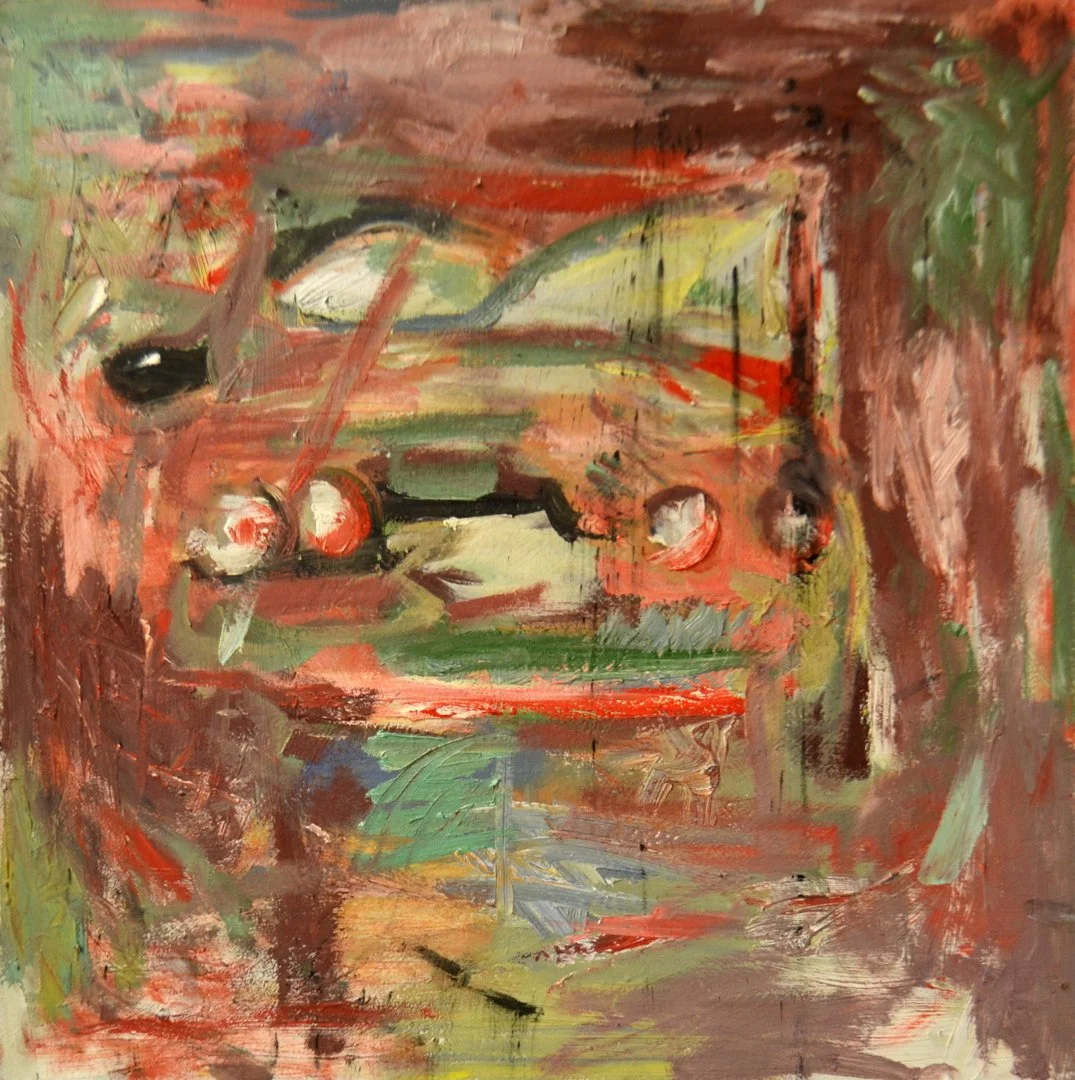
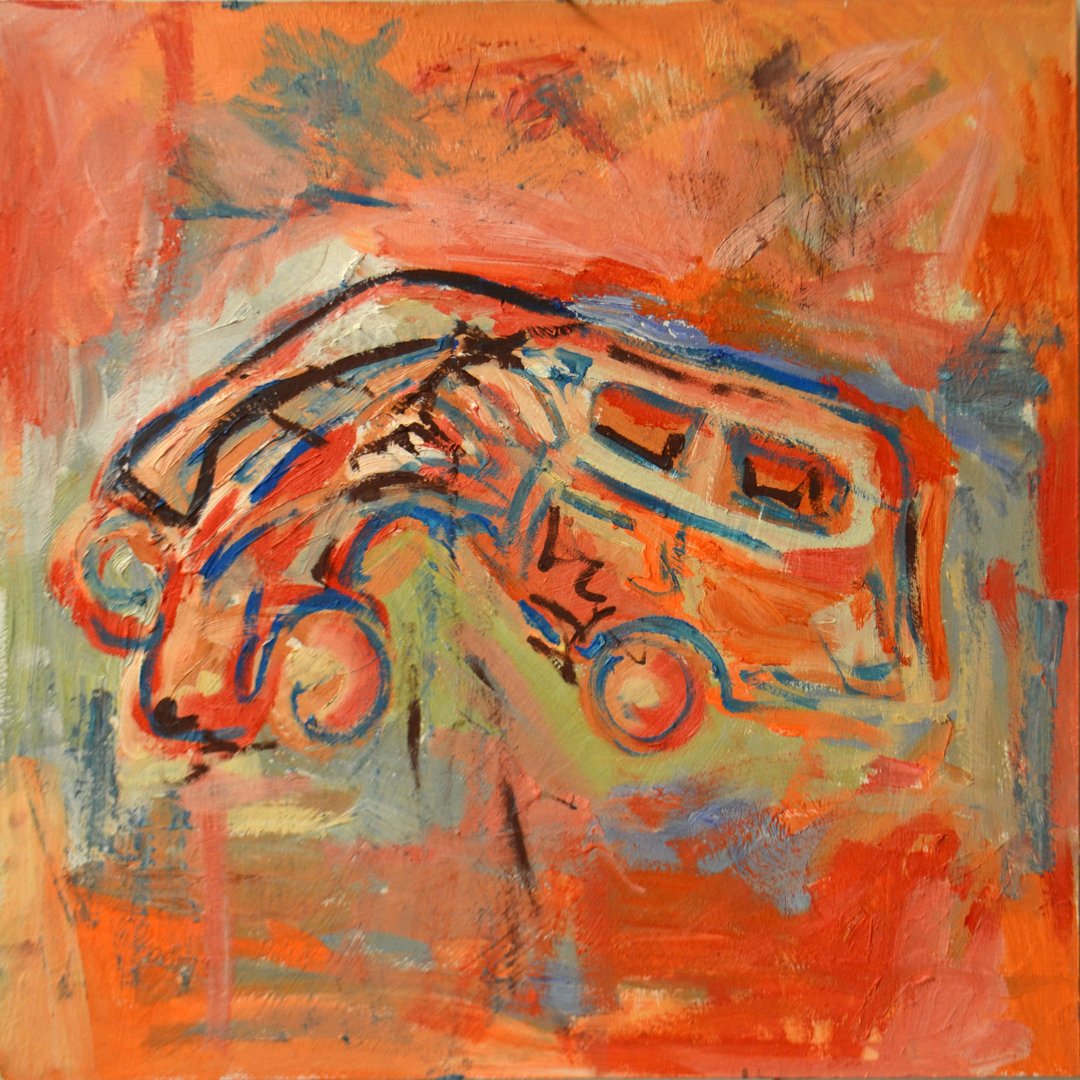
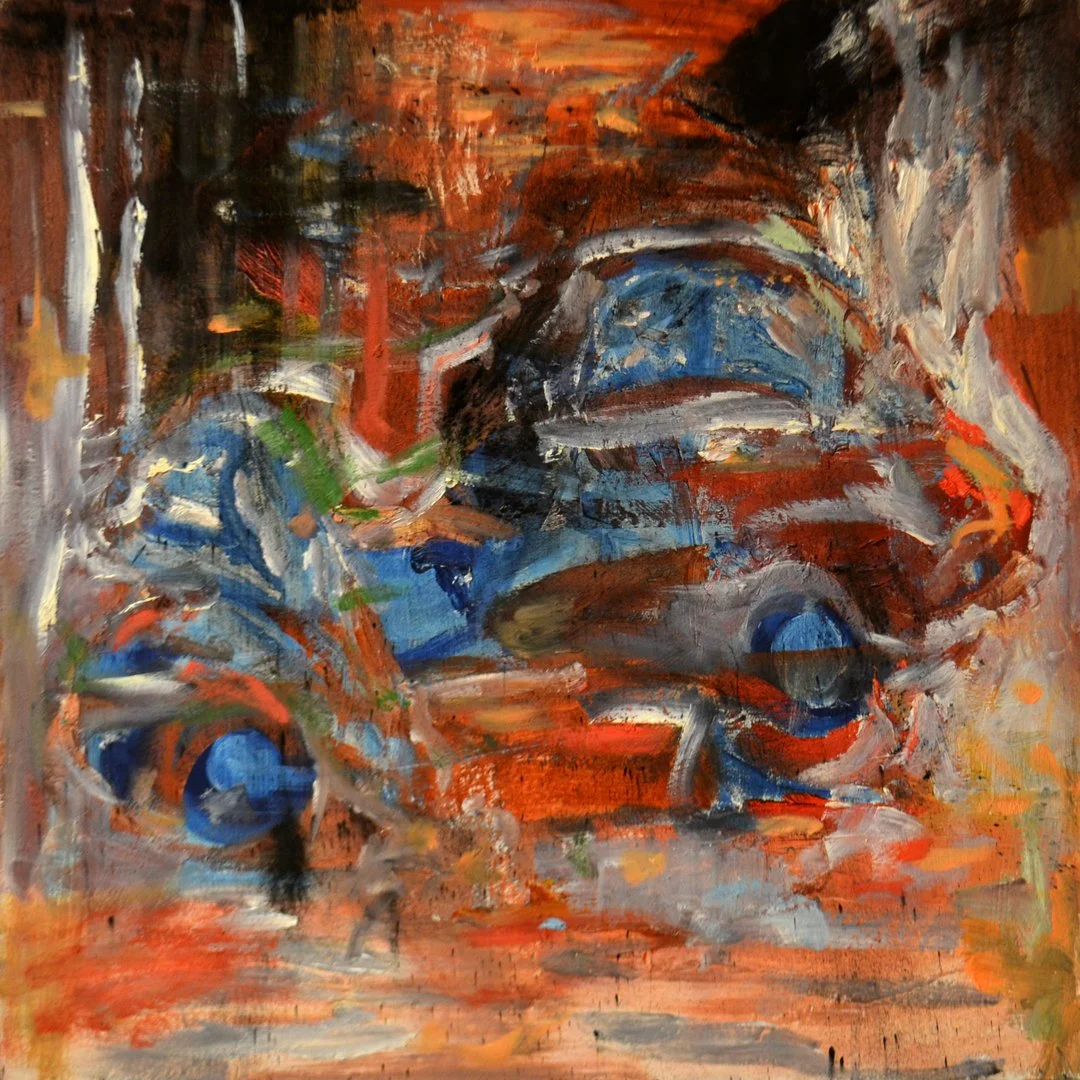
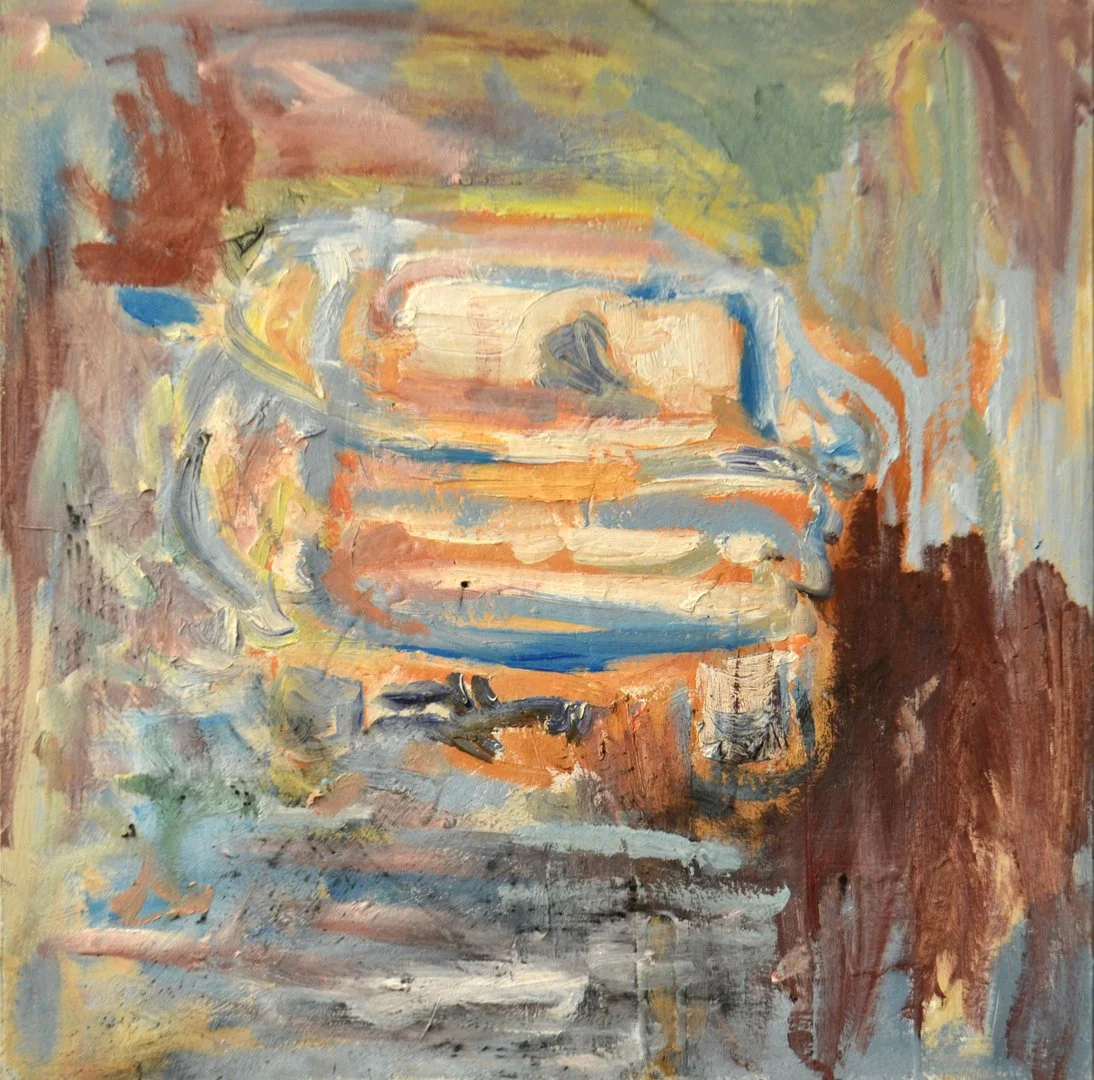
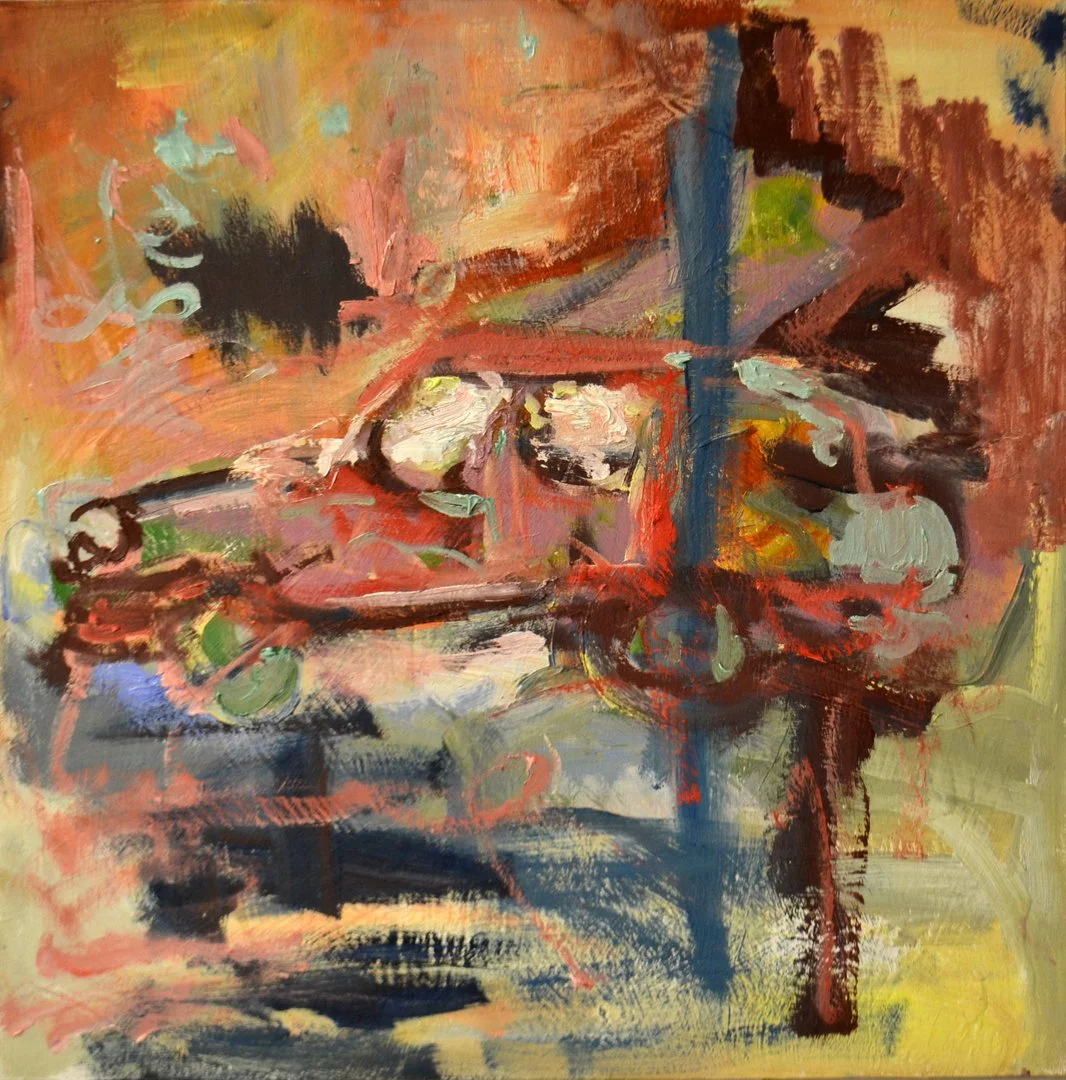
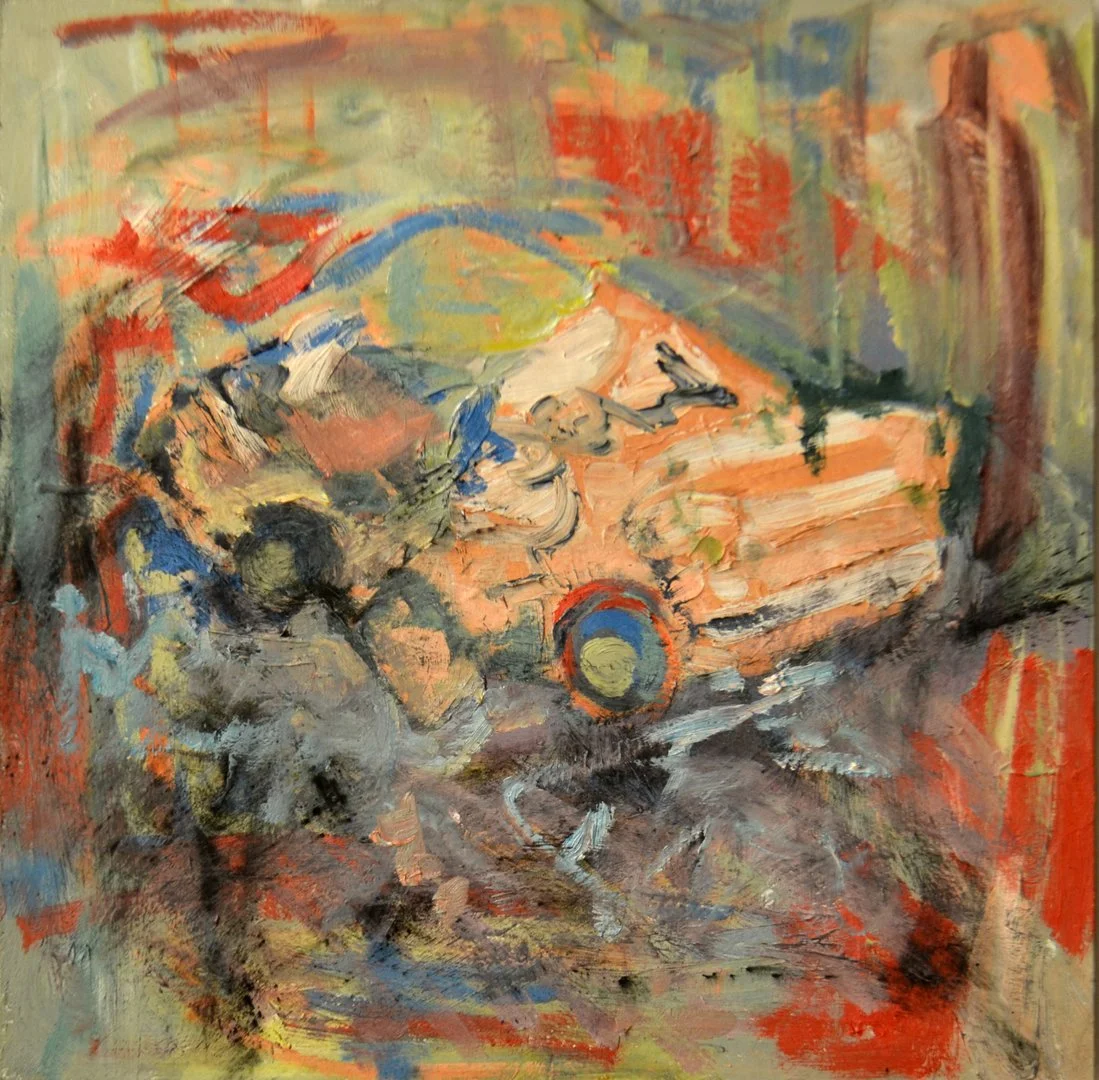
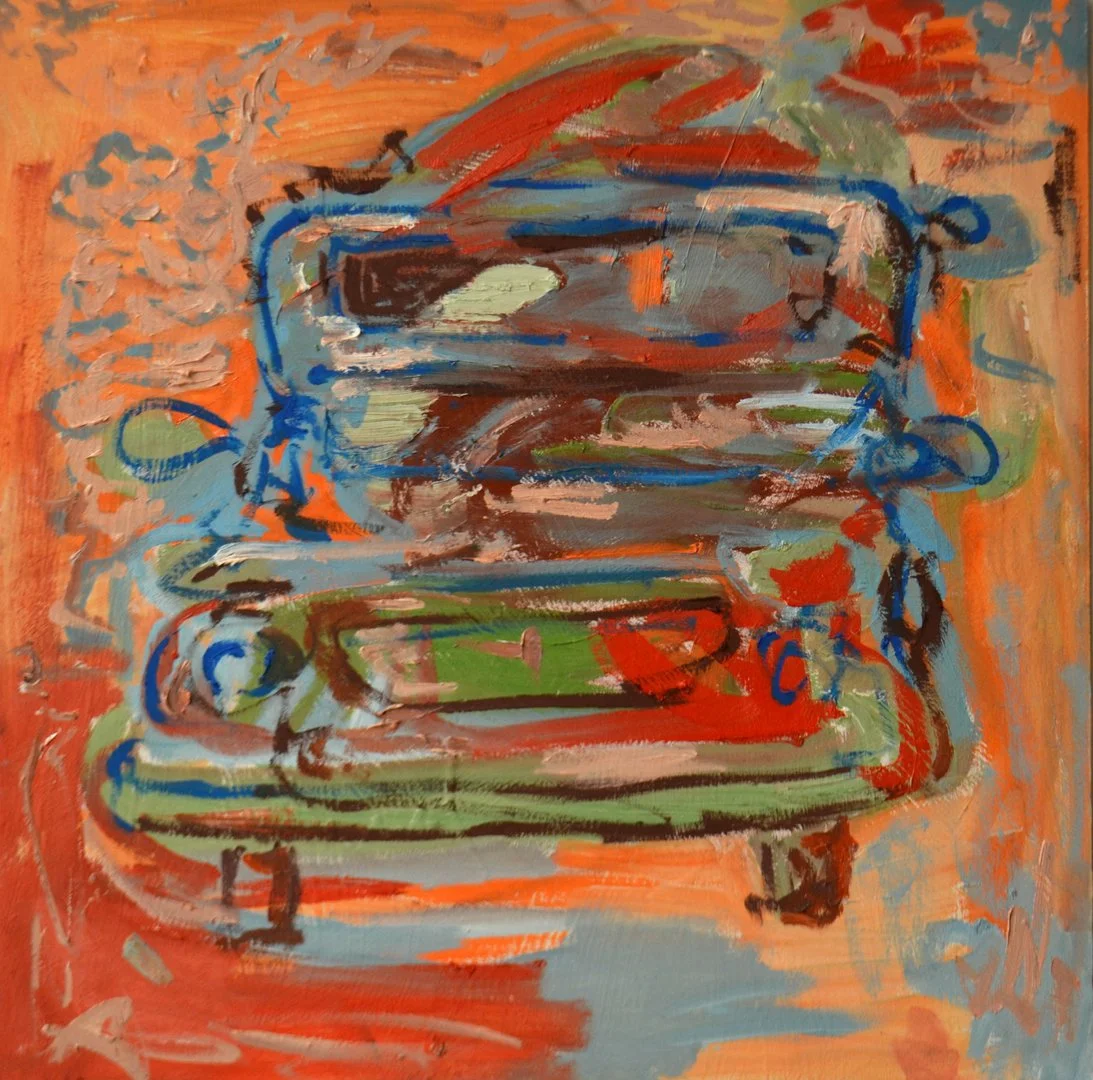
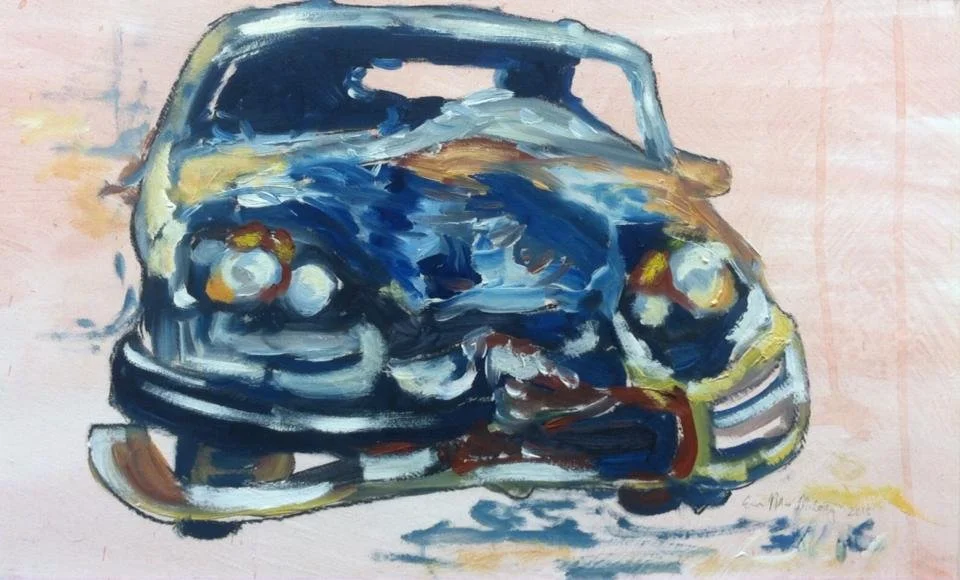
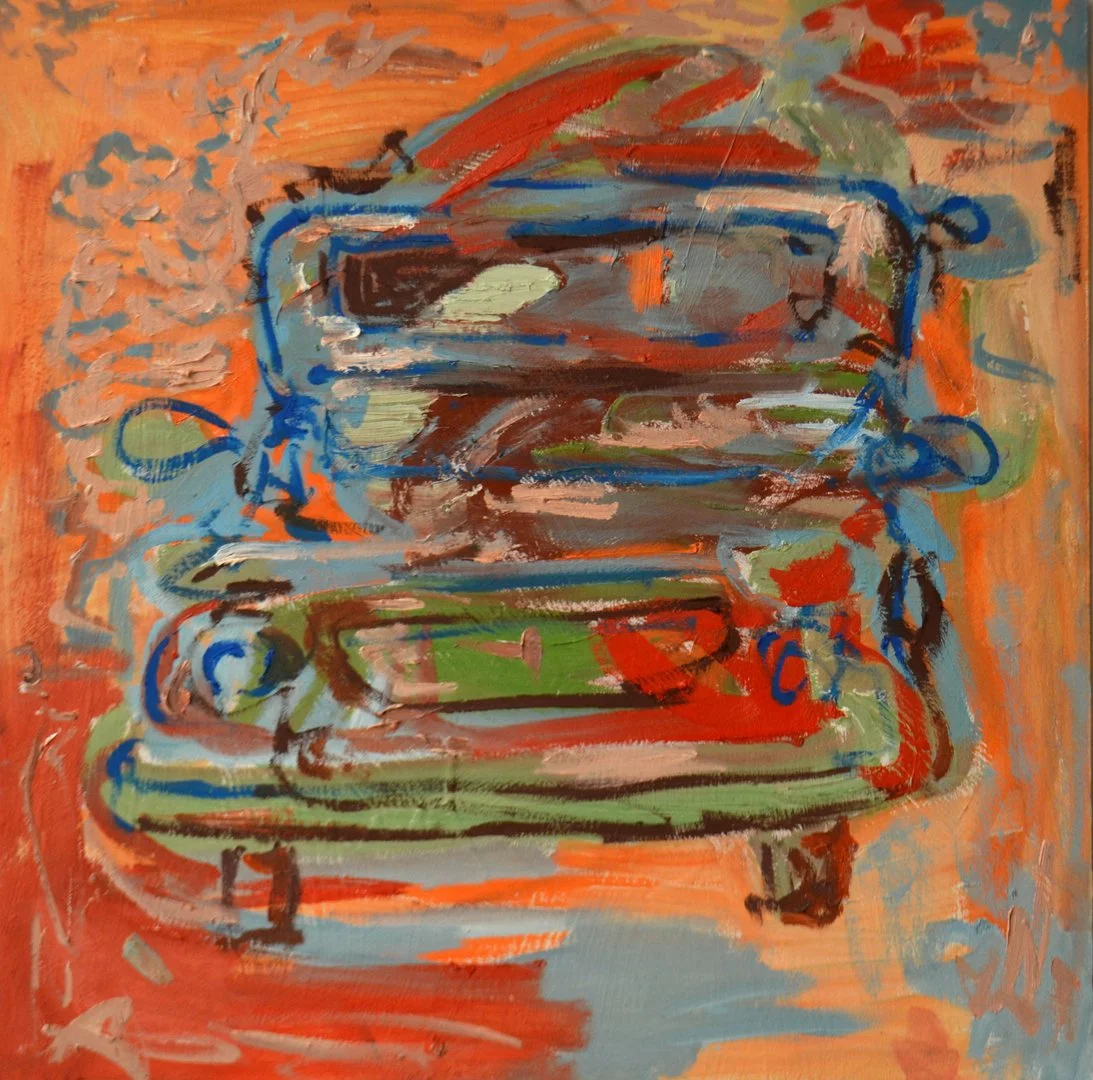
Crash is a series of oil paintings on masonite exploring grief, memory, and the meditative act of painting through the repeated image of the crashed automobile. Each painting isolates a single damaged vehicle suspended within space, removed from narrative context and transformed into an emotional and psychological landscape. The car becomes both an object and a metaphor — a stand-in for fragility, impact, loss, and the sudden rupture of everyday life.
The work developed as a way to process the death of a close friend. Painting became a repetitive and physical ritual, allowing grief to move through gesture, color, and surface rather than language. The process is slow, intuitive, and accumulative. Layers of oil paint are brushed, scraped, wiped away, and reapplied repeatedly, creating surfaces that hold evidence of time, revision, and emotional intensity. The brushwork shifts between violent and restrained gestures: dense passages of paint collide with thin stains and exposed ground, while aggressive marks dissolve into quieter moments of reflection and stillness.
Color plays an essential emotional role within the work. Saturated reds, acidic yellows, deep blacks, fluorescent highlights, and bruised blues create unstable atmospheres that move between alarm, memory, and silence. Light reflects unnaturally across crushed metal surfaces, causing the vehicles to flicker between recognizable objects and abstract forms. These heightened color relationships push the paintings beyond documentation and into emotional space.
The isolated vehicle suspended within empty space creates a feeling of pause or aftermath. Removed from roads, landscapes, or human figures, the cars exist in a suspended state — quiet, motionless, and contemplative. The emptiness surrounding them becomes as important as the object itself, functioning as a space for reflection, absence, and meditation. The paintings slow down the moment of impact and allow it to linger.
Influenced by gestural abstraction and process painting, Crash embraces painting as both a physical and emotional act. The repeated return to the image of the wrecked car mirrors the repetitive nature of grief itself: revisiting memory, replaying moments, and attempting to understand something irreversible. Through repetition, gesture, and accumulation, the paintings become records of mourning, endurance, and the attempt to sit quietly with loss.